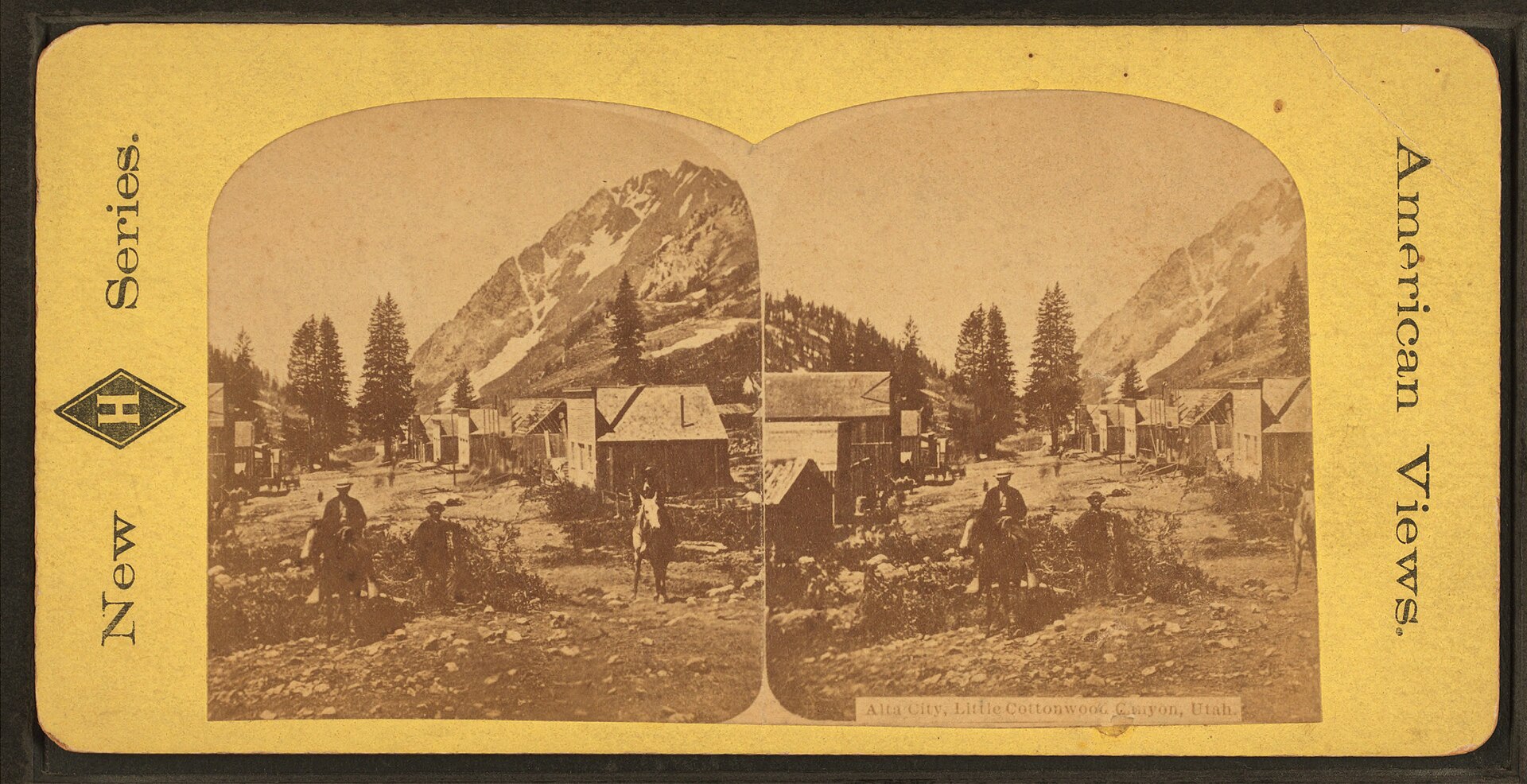
History of the Wasatch
From Ute and Shoshone homelands through silver booms, watershed disasters, and the CCC crews that carved a road into a snowy basin above Ogden.
Trace the story →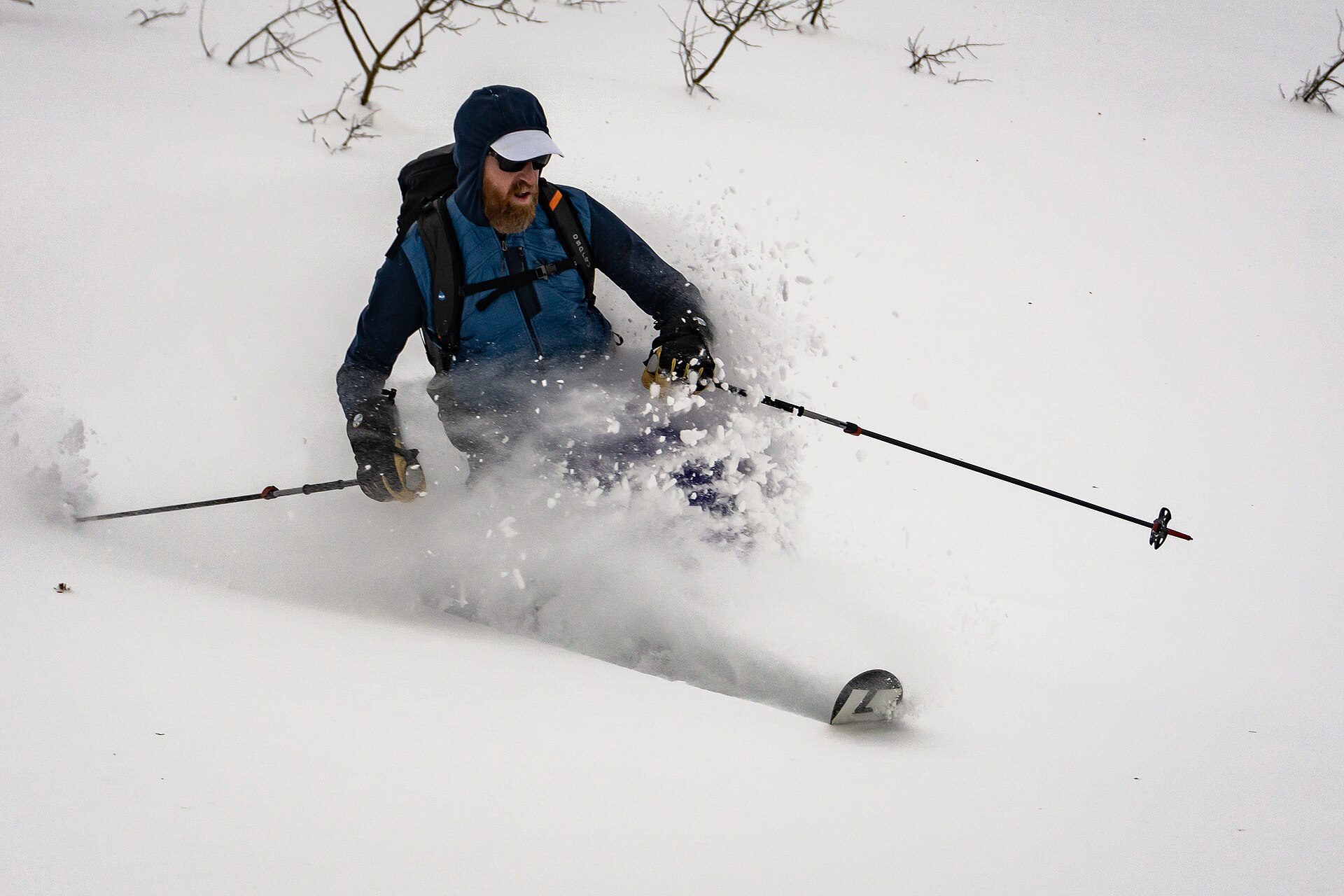
Snowbasin Cloud explores the science, history, and culture of Utah's Wasatch Range — from the storms that stack powder on its peaks to the pioneers, miners, and Olympians who shaped its slopes.
Photo: U.S. Forest Service, Uinta-Wasatch-Cache National Forest (public domain)
The Wasatch Range rises like a wall from the eastern edge of the Great Basin, catching Pacific storms and wringing them out over Salt Lake City, Ogden, and Provo. That happy accident of geography built one of the most celebrated snow climates on the planet.
From Ute and Shoshone homelands through silver booms, watershed disasters, and the CCC crews that carved a road into a snowy basin above Ogden.
Trace the story →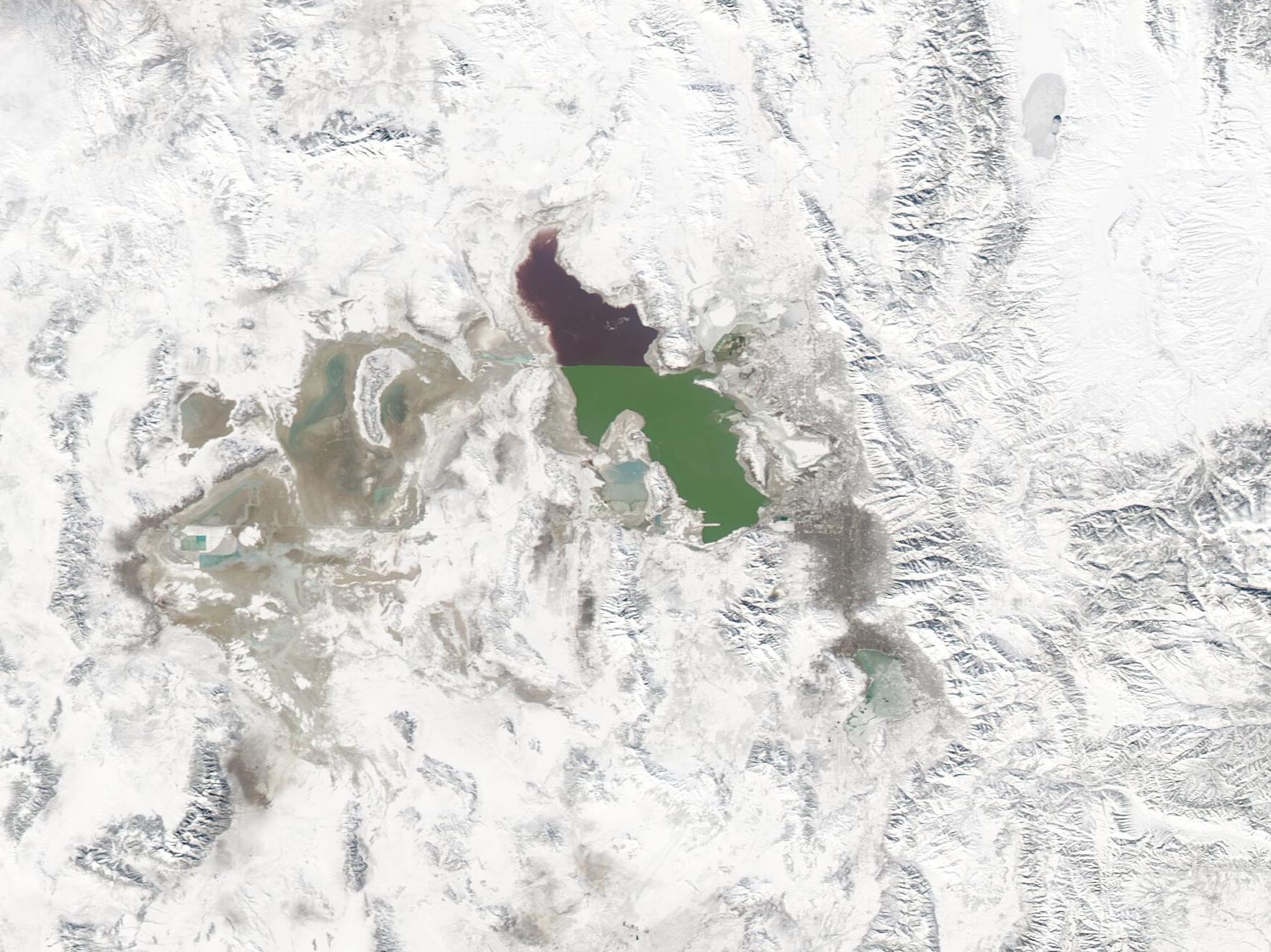
Orographic lift, a lake too salty to freeze, and cold desert air conspire to produce famously light powder — and a state slogan that survived a circus lawsuit.
See the science →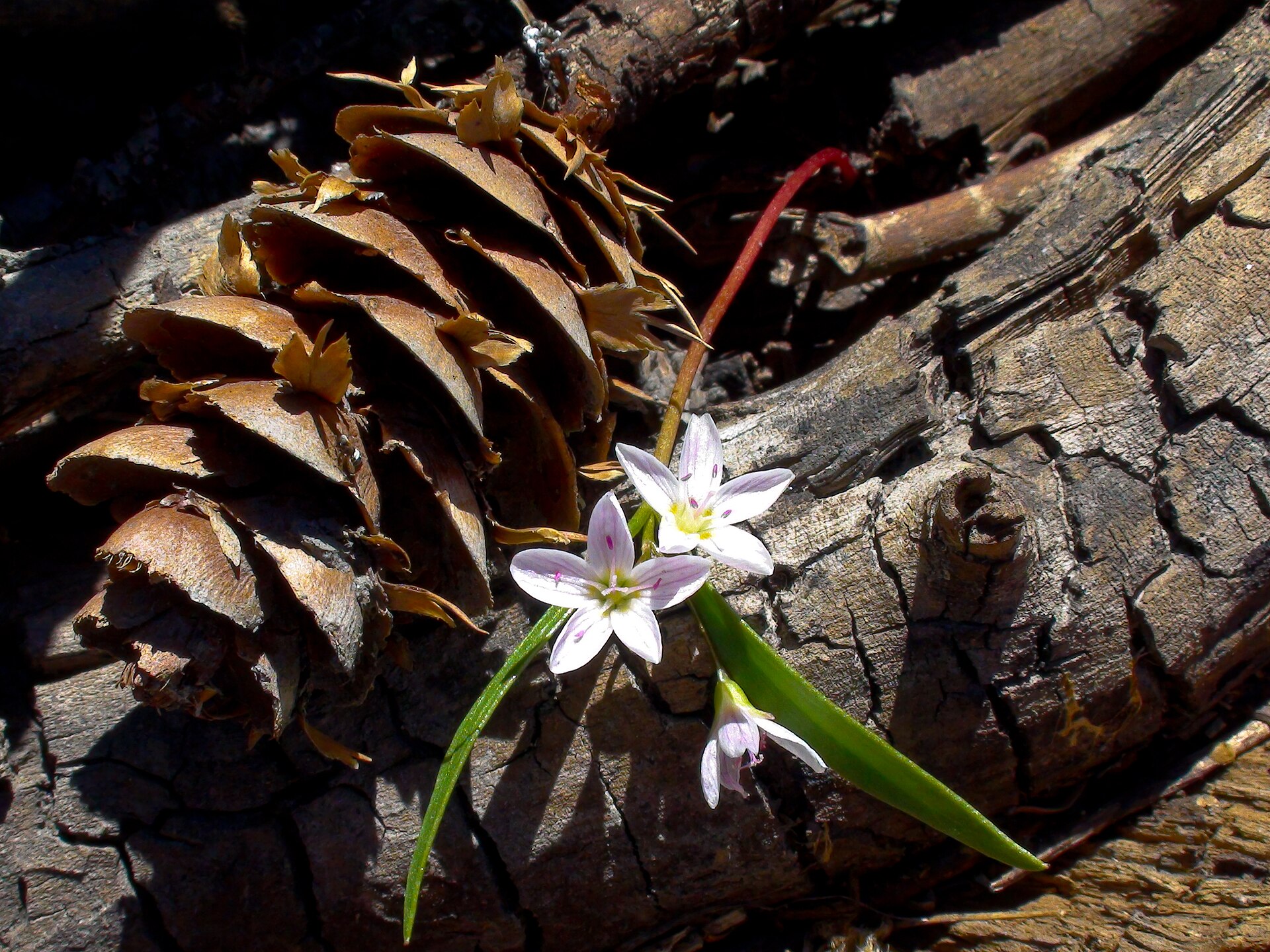
Olympic downhills, backcountry bowls, wildflower cirques, and reservoir summers — how people play in the mountains above Ogden Valley.
Plan the seasons →The Wasatch Front is the visible edge of the Wasatch Fault, one of the longest normal faults in North America. For millions of years the valley floor has dropped while the mountain block rose, leaving summits that tower more than a vertical mile above the cities at their feet — with the terraces of Ice Age Lake Bonneville etched across their lower slopes.
The Great Salt Lake is several times saltier than the ocean and never freezes. When post-frontal northwest winds cross its relatively warm water, the lake adds moisture and instability to already-cold storms. University of Utah research credits the lake effect with roughly five percent of the Wasatch's annual snowfall — including some of its most memorable powder days.
Utah's ski story began with miners' mail carriers on wooden boards, took shape with Alta's pioneering chairlift in 1939 and Snowbasin's opening in 1940, and reached the world stage when the 2002 Winter Olympics ran their fastest races down Snowbasin's Grizzly and Wildflower courses — venues expected to reprise the role in 2034.